Navigating Futures. Transforming Lives. · Captain-led IMU CET coaching · Live online across India

DNS course · Deck officer route · IMU CET May 2027

DNS Course (Diploma in Nautical Science): Eligibility, Sponsorship and What Comes After

For Class 12 PCM students — Physics, Chemistry, Maths · age 17 to 25 (relaxations apply) · girls and boys. Not PCM? This path is not open to you.

The DNS course — Diploma in Nautical Science — is the shortest classroom route to a deck cadet berth after 12th PCM: a one-year IMU diploma, linked to company sponsorship, leading to sea time and a B.Sc degree.

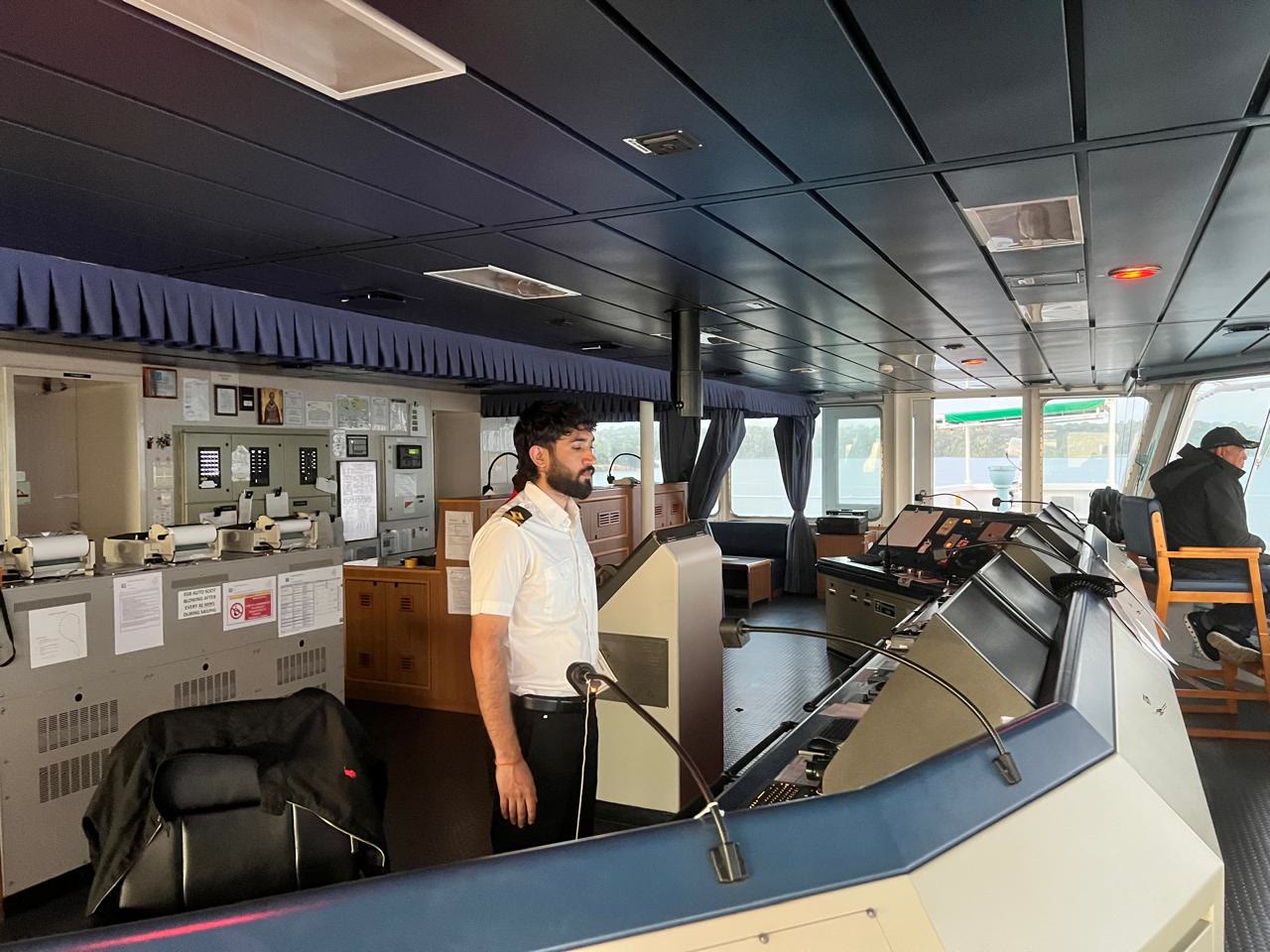
A deck officer on watch on the bridge of a merchant ship
A deck officer on watch. DNS is the shortest classroom route to this bridge.

The DNS course in plain words

One year, residential, disciplined

DNS is a one-year programme. Students live on campus, follow a uniformed routine and study navigation, seamanship, ship construction, cargo work, meteorology and safety. The classroom year prepares you for the first sea phase, so the discipline is part of the course, not an extra.

Entry is through IMU CET

Admission to DNS is through IMU CET rank and IMU counselling. Some institutes also hold their own test or interview. Your IMU CET rank decides how many campuses remain open to you, so the exam is the milestone to plan around.

Eligibility: marks, age, eyes

Class 12 with Physics, Chemistry and Maths; about 60% PCM average (55% for SC/ST); 50% in English in Class 10 or 12; age 17 to 25 for General male candidates as on 01 August 2027, with higher limits for women and reserved categories; unaided 6/6 and 6/9 vision; normal colour vision; and unmarried at admission. Confirm every figure in the current IMU information brochure.

Sponsorship-linked

Most DNS seats are tied to a shipping company. The company runs its own written test, psychometric test, interview and medical, and takes the selected students as its cadets. Some companies select before the course begins; others select from students already admitted. Selection rests with the company.

Sea time as a cadet

After the classroom year, a DNS student joins a ship as a deck cadet. The sea phase is where you keep watches, learn cargo work and complete a training record book. It is arranged by the sponsoring company, on its ships and its schedule.

Then the B.Sc

DNS leads to a B.Sc Nautical Science degree awarded by IMU after the sea phase and the exams that follow it, as per the IMU rules for that year. Officer certificate exams come next. Read the current IMU information brochure for the exact sequence.

DNS and the company round: why the interview matters

Many students clear IMU CET and still miss a DNS sponsorship. The reasons are usually the same: weak spoken English under pressure, no practice with company-style aptitude questions, poor grooming or punctuality, and a medical surprise found too late. Companies also tend to prefer younger cadets for sponsored DNS routes, so the 17 to 20 age band matters.

NavPath prepares students for the company round beside IMU CET. Company-specific exam and interview modules, company-specific question banks, psychometric test practice and Spoken English are taught by actively sailing captains and officers who have sat on company panels themselves. Mock panels are run the way a company panel is run. The modules are shared with enrolled students.

The DNS route at a glance

  1. Class 12 PCM

    Physics, Chemistry and Maths with the published marks in PCM and English.

  2. IMU CET, May 2027

    Rank and counselling by IMU. Put DNS in your preference list.

  3. Company selection

    Written test, psychometric test, interview and a DG Shipping medical.

  4. One year on campus

    The DNS classroom year at an IMU campus or an approved institute.

  5. Sea phase, then B.Sc

    Deck cadet on the company’s ships, then the B.Sc Nautical Science and the officer exams.

Questions families ask

Can I do the DNS course without company sponsorship?

Some institutes admit DNS students without a sponsor and put them through company selection during the year. Sea time still needs a company’s ship, so a cadet berth must be found before the sea phase. Ask each institute, in writing, how its current DNS students reach a ship.

How is DNS different from B.Sc Nautical Science?

DNS is one year of classroom, then sea. B.Sc Nautical Science is three years of classroom first. Both lead to the deck officer ladder. Our comparison guide sets the two side by side.

Can a graduate join DNS?

The IMU prospectus has considered graduates for some DNS pathways: a B.Sc with Physics, Maths, Chemistry or Electronics, or a B.E./B.Tech, with at least 50% in the final year. Age limits still apply. Confirm the current wording in the IMU information brochure.

Do glasses rule me out of DNS?

For DNS the standard is 6/6 in the better eye and 6/9 in the other without glasses or lenses. If you need lenses to reach that, DNS is usually not open to you, but B.Tech Marine Engineering may be. A DG Shipping-approved doctor decides.

When do companies recruit DNS cadets?

Windows differ by company and by year. Many fall between the IMU CET result and the start of the academic session in August; some open earlier. Follow each company’s own careers page, not forwarded messages.

NavPath is an independent coaching academy. We prepare students for IMU CET and for the company round of DNS. Rank and seat allotment are decided by IMU.

Start with the eligibility check, then apply for NEST.

Call or WhatsApp +91 77365 22210.

Chat on WhatsApp