Navigating Futures. Transforming Lives. · Captain-led IMU CET coaching · Live online across India

Merchant Navy cadet · After 12th PCM · IMU CET May 2027

How to Become a Merchant Navy Cadet After 12th PCM

For Class 12 PCM students — Physics, Chemistry, Maths · age 17 to 25 (relaxations apply) · girls and boys. Not PCM? This path is not open to you.

A Merchant Navy cadet is a trainee officer on a commercial ship. The route after 12th PCM is: IMU CET, then DNS, B.Sc Nautical Science or B.Tech Marine Engineering, then a shipping company’s selection, then your first ship.

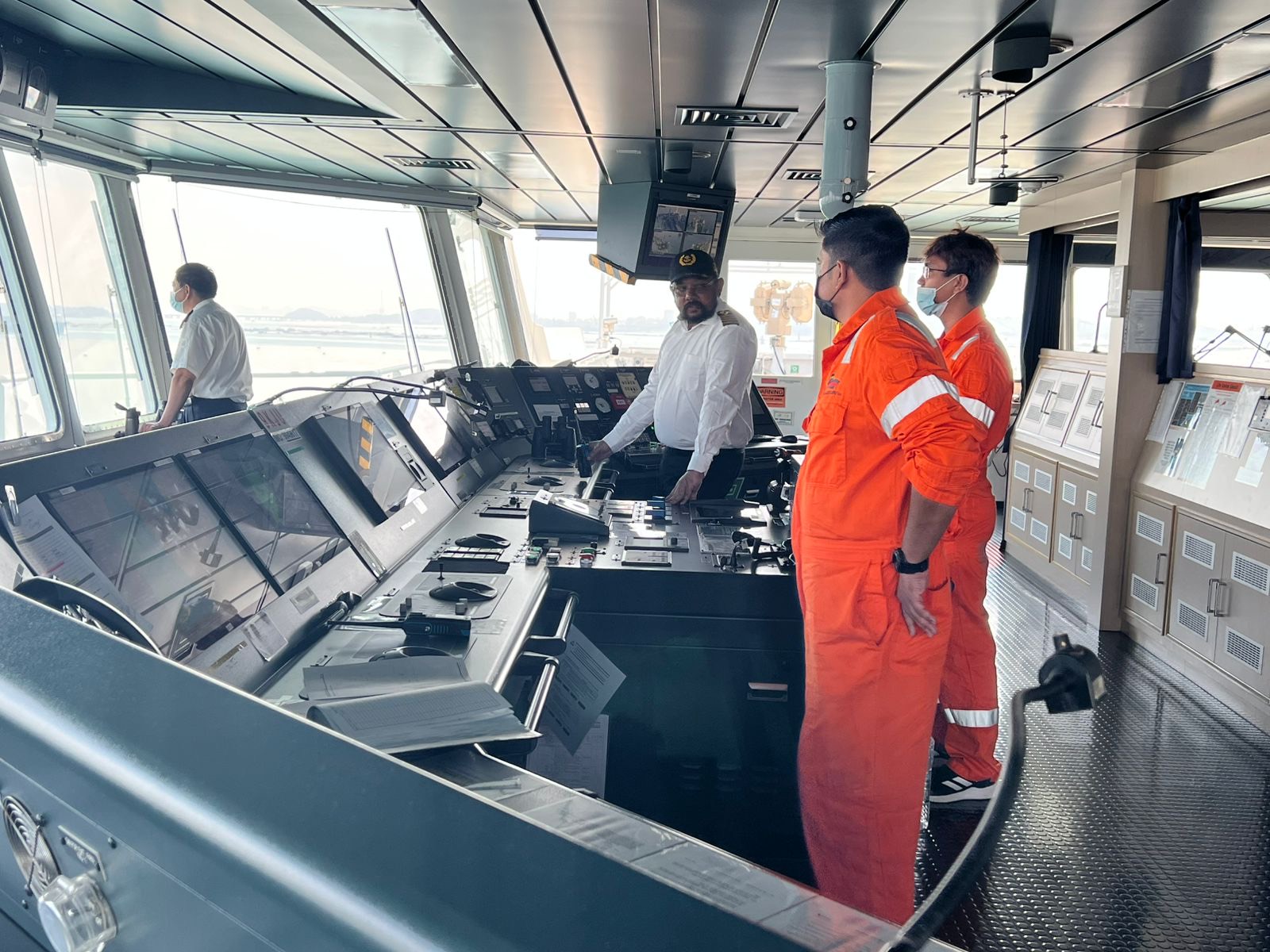
A captain instructs two cadets on the bridge of a merchant ship
Cadets on the bridge with a senior officer. The route below ends here.

The route, step by step

Step 1 — Class 12 with PCM

You need Physics, Chemistry and Maths as separate subjects in Class 12. The published bar is about 60% PCM average (55% for SC/ST) and 50% in English in Class 10 or 12. PCM average is not your overall percentage: add the three marks and divide by three. Confirm the current figures in the IMU information brochure.

Step 2 — IMU CET

IMU CET is the national entrance test run by the Indian Maritime University. It is a timed, multiple-choice test on Physics, Chemistry, Maths, English, general aptitude and general knowledge. Your rank decides which course and campus you can take in counselling.

Step 3 — Choose deck or engine

Deck officers navigate the ship, handle cargo and keep the bridge watch. Engine officers run the engines and machinery. Deck routes: DNS and B.Sc Nautical Science. Engine route: B.Tech Marine Engineering. The eyesight standards differ, so decide this before counselling.

Step 4 — The course

DNS is a one-year diploma at an IMU campus or an approved institute, followed by a sea phase. B.Sc Nautical Science is a three-year deck degree. B.Tech Marine Engineering is a four-year engine degree. All three are residential. Fees and dates change every year; check the institute’s current notice.

Step 5 — Company selection

A shipping company decides who sails as its cadet. Most companies run a written test, a psychometric test, an interview and a medical. NavPath prepares you for each of these with company-specific modules. Selection rests with the company.

Step 6 — Your first ship

You join as a deck cadet or an engine cadet. You keep a training record book, stand watches with a senior officer and complete the sea time your officer certificate needs. The cadet berth is where the officer career begins.

Age, eyesight and medical: check these first

Age is counted as on 01 August 2027, the first day of the academic session, not on the day you fill the form. The published band is 17 to 25 for General male candidates, with higher limits for women and for reserved categories. Confirm the exact date and band in the IMU information brochure for your year.

For the deck routes, distance vision must be 6/6 in the better eye and 6/9 in the other eye without glasses, and colour vision must be normal on the Ishihara test. B.Tech Marine Engineering has comparatively relaxed eyesight rules. The certificate must come from a doctor approved by the Directorate General of Shipping. Get this check done early, before you spend a year preparing. Our medical test guide is linked below.

What a cadet actually does on board

A deck cadet works under the chief officer. A normal day mixes bridge watch with a senior officer, chart and passage-planning practice, cargo watch in port, mooring stations, safety drills and deck maintenance. You learn by doing, and an officer signs off each task in your training record book.

An engine cadet works under the chief engineer. The day is spent in the engine room: watchkeeping on the main engine and generators, maintenance jobs, logging readings and learning each system in turn. Both cadets live on board for months at a time and follow a strict routine. Sea time as a cadet counts toward the officer certificate exams that come next; the career ladder shows the steps after the cadet stage.

Where NavPath fits on this route

  1. IMU CET coaching by sailing officers

    Physics, Chemistry, Maths, English and aptitude with actively sailing captains and officers, a question bank updated every cycle and an all-India practice rank.

  2. Spoken English from week one

    Many state-board students lose the company interview on spoken English, not on marks.

  3. Company and college selection modules

    Curated exam and interview modules for individual shipping companies and colleges, with psychometric test practice.

  4. Parents kept informed

    Regular reports from week one, and at least one parent or guardian at the counselling session.

Questions families ask

Can I become a Merchant Navy cadet without IMU CET?

For the main officer routes in India — DNS, B.Sc Nautical Science and B.Tech Marine Engineering — IMU CET is the entrance test. Some institutes also run their own tests and interviews, but IMU CET remains the milestone to plan around.

How long before I join my first ship?

DNS students can go to sea after the one-year diploma, once a company selects them. B.Sc and B.Tech students go to sea after the degree, or during it where the course includes a sea phase. The timing depends on the course and the company.

Is the cadet route the same for girls?

Yes. The eligibility rules, the exam, the medical and the company selection are the same for girls and boys. At NavPath, girls and boys train in the same batch.

What if my eyesight is not 6/6?

The deck routes need 6/6 and 6/9 without glasses. B.Tech Marine Engineering has comparatively relaxed rules. Only a doctor approved by DG Shipping can decide your case, so book that check early and choose the route your eyes allow.

Do I need to pay an agent for sponsorship?

No. Shipping companies select cadets through their own written tests and interviews. Anyone selling a sure sponsorship for a fee is a warning sign. Our guide on verifying an institute and avoiding agents is linked below.

NavPath prepares Class 12 PCM students for IMU CET and for the company selection that follows. Rank and seat allotment are decided by IMU.

Start with the eligibility check, then apply for NEST.

Call or WhatsApp +91 77365 22210.

Chat on WhatsApp